How to Care for Your Indoor Plants: A Beginner's Guide
Having indoor plants not only adds aesthetic value but also brings numerous benefits, such as purifying the air, reducing stress levels, and promoting better health. However, owning plants comes with the responsibility of providing them with the proper care to thrive in your home. In this blog post, we will discuss some tips on how to care for your indoor plants and ensure they stay healthy and strong.
Choose the Right Plant for Your Home Environment
Before buying a plant, it is essential to research and understand its specific needs. Different plants require varying amounts of sunlight, water, and humidity. Therefore, it is important to choose a plant that is suitable for your home's environment. For example, if you live in a low-light apartment, it is best to choose plants that can tolerate minimal light, such as snake plants or pothos.
Provide Adequate Sunlight
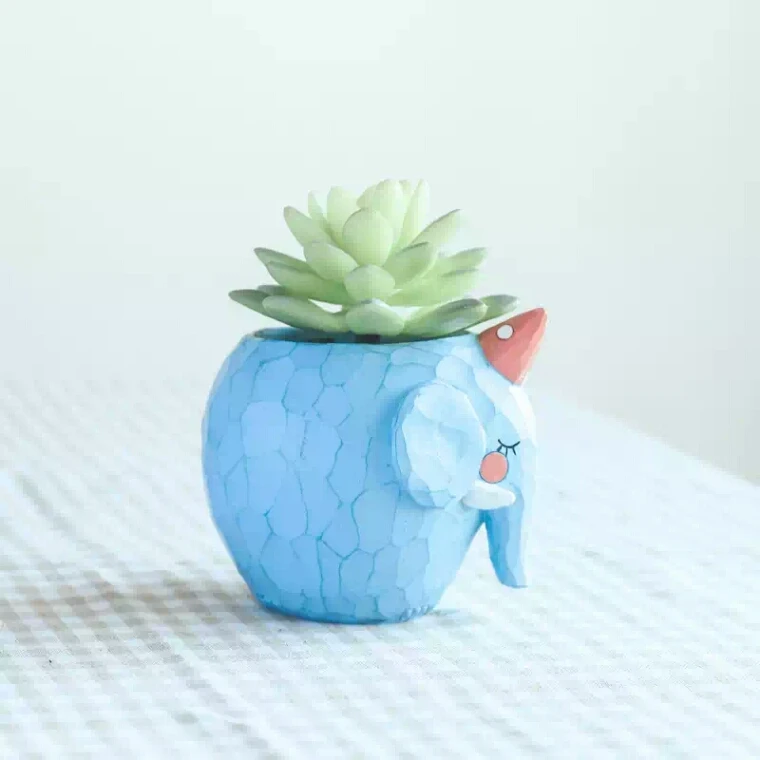
Plants need sunlight to photosynthesize and grow. However, too much or too little sunlight can harm your plants. The amount of sunlight your plant needs depends on the type of plant. For example, succulents and cacti require at least six hours of direct sunlight per day, while some ferns and ivies prefer indirect sunlight. Therefore, it is crucial to research your plant's specific light requirements and provide the right amount of sunlight accordingly.
Water Your Plants Regularly
Water is essential for plant growth, and it is essential to water your plants regularly. However, overwatering or underwatering your plants can cause damage. The amount of water your plant needs depends on the type of plant, the size of the pot, and the humidity level. Generally, it is best to water your plants when the top inch of soil feels dry to the touch. It is also essential to ensure proper drainage to prevent water from accumulating in the pot.
Provide Adequate Humidity
Most indoor plants thrive in a humid environment. However, the humidity levels in our homes are often too low for plants to grow optimally. You can increase humidity by misting your plants regularly or by placing a tray of water near your plants. Alternatively, you can invest in a humidifier to maintain optimal humidity levels in your home.
Fertilize Your Plants
Fertilizing is an essential aspect of indoor plant care. It provides the necessary nutrients that plants need to grow and remain healthy. However, it is important to avoid over-fertilizing, as this can lead to root burn and other problems. The frequency and amount of fertilizer required by your plant will depend on various factors, such as the type of plant, the potting soil used, and the growing season. Generally, it is best to fertilize your plants once a month during the growing season. Always follow the recommended dosage and avoid fertilizing during the dormant season as plants require less nutrients during this time. Careful fertilizing can help your plants thrive and remain healthy.
Monitor Your Plants for Pests and Diseases
Regularly monitoring your indoor plants for pests and diseases is crucial in maintaining their health. Early detection of issues such as yellowing leaves, spots, or wilting can prevent the spread of problems throughout the plant. Immediate action should be taken if signs of pests or diseases are noticed. This can include treating affected areas with natural remedies or seeking advice from a professional plant specialist. By actively monitoring your plants, you can ensure they stay healthy and continue to add beauty and benefits to your home.
In conclusion, owning indoor plants can be a rewarding experience, but it comes with the responsibility of proper care. By choosing the right plant for your home environment, providing adequate sunlight, water, humidity, fertilization, and monitoring your plants for pests and diseases, you can ensure your plants stay healthy and thrive in your home.
评论
发表评论